A Week in Vaucluse: A Slow Travel Itinerary Through Provence's Heartland

As the concept of slow travel gains traction worldwide, the Vaucluse department in Provence has emerged as a natural destination for those seeking unhurried, immersive experiences. With its medieval hilltop villages, lavender fields, and vine-covered landscapes, the region lends itself to a week-long itinerary that prioritises depth over breadth. This analysis examines the factors shaping current travel patterns in Vaucluse, the concerns visitors face, and what may lie ahead for this corner of southeastern France.
Recent Trends
Over the past two to three years, travel behaviour in Vaucluse has shifted markedly. The post-pandemic appetite for crowded tourist hubs has given way to a preference for quieter, rural stays. Key developments include:
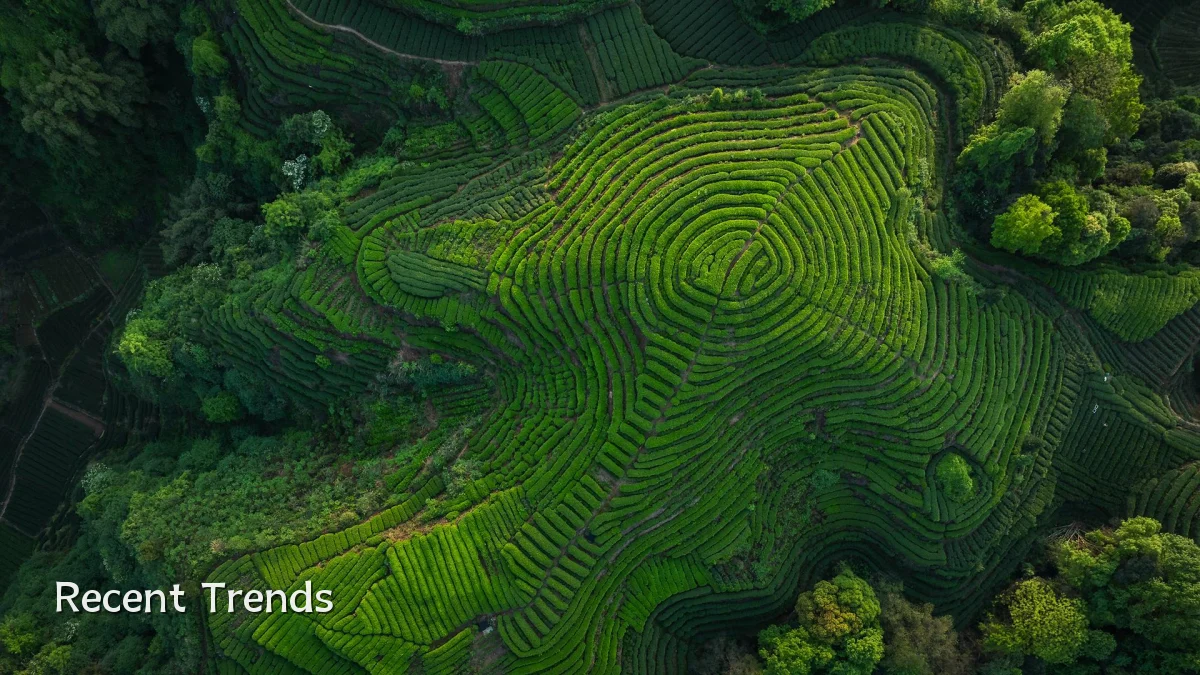
- Rise of agritourism – More working farms now offer guest rooms, cooking classes, and vineyard tours, allowing visitors to live alongside local producers.
- Extended shoulder seasons – April–June and September–October have seen higher occupancy rates as travellers avoid peak July and August crowds.
- Digital detox demand – Several properties in the Luberon and around Mont Ventoux now advertise limited Wi-Fi and no televisions, appealing to those seeking a break from constant connectivity.
- Car-free experimentation – While still a minority, a growing number of visitors are using regional trains, e-bikes, and organised shuttles to explore villages like Gordes, Roussillon, and Ménerbes.
Background
Vaucluse is one of France's most geographically and culturally varied departments. Its boundaries encompass the ochre cliffs of the Luberon, the papal city of Avignon, the lavender plateau of Sault, and the dramatic vineyards of Châteauneuf-du-Pape. The region's appeal lies in a combination of Roman heritage, Renaissance architecture, and a strong agricultural identity that has remained relatively intact. Slow travel here typically means staying in a single village or farm for several days, walking or cycling between markets, and building relationships with local artisans. The classic "week in Vaucluse" itinerary often centres on the Luberon, but increasingly travellers are including the northern Vaucluse and the Drôme border for greater solitude.
User Concerns
Travellers planning a slow week in Vaucluse consistently raise several practical issues. Neutral observation of travel forums and industry feedback points to:
- Accommodation scarcity in peak times – Small, authentic gîtes and chambres d'hôtes book out months in advance, especially during lavender season (late June through July).
- Transportation gaps – Public bus and train links between villages are limited; car hire is still the default, though rental costs and parking restrictions frustrate many.
- Language barriers – In smaller villages, English is not widely spoken outside tourist offices, which can create challenges for non-French speakers seeking genuine local interactions.
- Cost variability – Prices for guided walks, cooking classes, and market tours can differ significantly from one provider to another, and there is no centralised booking system for smaller experiences.
- Overcrowding at key sites – Even with slow travel intentions, places like the Abbaye de Sénanque and the hilltop village of Gordes can feel congested by mid-morning, diminishing the tranquil experience sought.
Likely Impact
The slow travel movement in Vaucluse carries observable consequences for both visitors and the local economy. On the positive side, longer stays mean higher per-person spending in local shops, bakeries, and restaurants, which benefits family-run businesses more than the large hotel chains. The environmental footprint per traveller tends to be lower when touring on foot or by bike rather than in a car between multiple destinations each day. However, there is also a risk of gentrification: as demand for tranquil rural stays increases, property prices for farmhouses and village homes rise, potentially displacing long-term residents. Additionally, the season is effectively compressing into a shorter, more intense period – the shoulder months are growing busier, which could eventually erode the very quietness that attracts slow travellers.
What to Watch Next
Several developments are worth monitoring for anyone interested in a Vaucluse slow travel itinerary over the next one to two years:
- Official slow travel certifications – Local tourism offices are reportedly exploring a label for accommodations that meet criteria like locally sourced food, minimal car dependency, and direct booking with no third-party platforms.
- Off-season programming – Look for more winter markets, truffle-hunting weekends, and olive harvest experiences designed to lengthen the viable tourist period beyond the classic June–September window.
- Digital nomad inflow – Co-working spaces are appearing in Avignon, Cavaillon, and Carpentras; if remote workers settle for weeks rather than days, it could change the demographic of visitor demand.
- Infrastructure improvements – Several municipalities are expanding cycle paths between Luberon villages; the planned rail-bike link from Avignon to Isle-sur-la-Sorgue may reduce car dependence further.
- Climate adaptation – With hotter, drier summers, some lavender fields are being replaced by drought-resistant crops; vineyard tours may shift to earlier morning or evening times to cope with heat.