Why Vaucluse Is the Secret to a Higher Quality of Life in Provence

Recent Trends
Over the past few seasons, an increasing number of professionals and families have shifted their focus from Provence’s coastal hotspots to the inland department of Vaucluse. Observers note a steady rise in interest from remote workers seeking more space, cleaner air, and a calmer daily rhythm. Property inquiries for villages such as Gordes, L’Isle-sur-la-Sorgue, and the Luberon foothills have grown noticeably, while short-term rental platforms report longer minimum stays—suggesting a move toward deeper, more intentional living rather than fleeting visits.
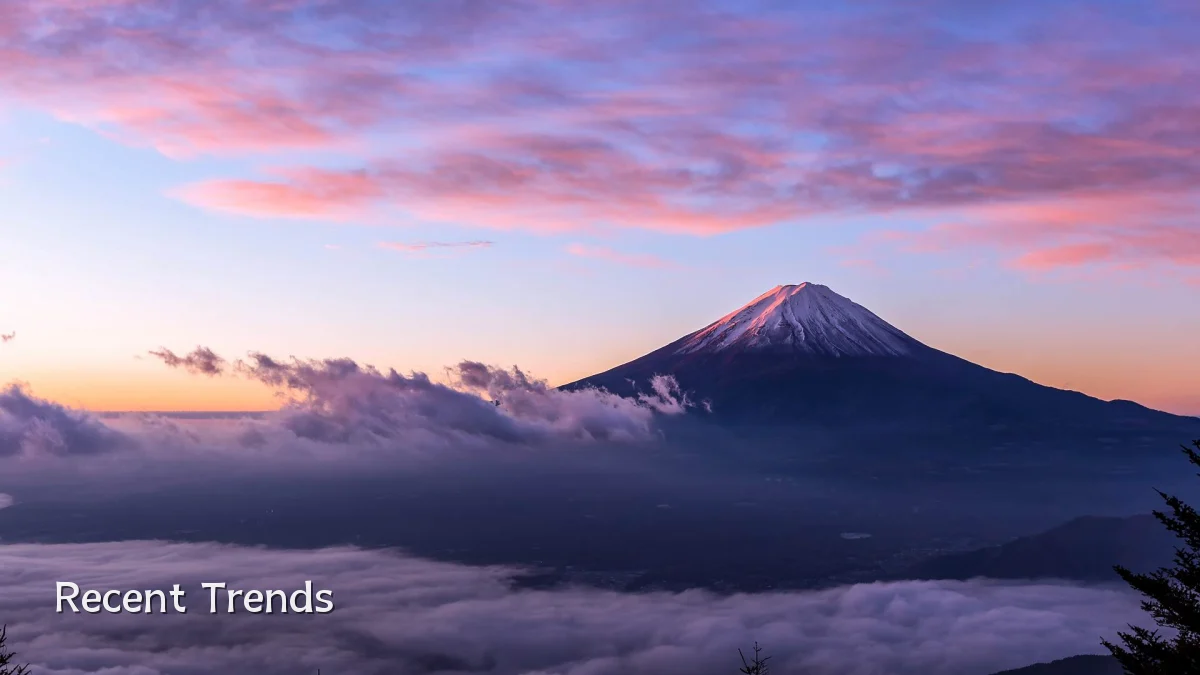
- Demand for countryside homes with home-office capacity has outpaced traditional urban apartments.
- Local markets and artisan food producers report a surge in year-round clientele, not just summer tourists.
- Co-working initiatives have emerged in smaller towns, reflecting a structural shift in how people balance work and leisure.
Background
Vaucluse has long been considered the agricultural and cultural heart of Provence. Its geography—a mix of plateaus, valleys, and the iconic Mont Ventoux—provides a microclimate that is less humid than the coast yet still enjoys more than 300 days of sunshine per year. Historically, the region attracted artists (Cézanne, Van Gogh) and writers who prized its light and slow pace. Today, that same character is being rediscovered by a generation seeking an alternative to high-stress urban centers. The department’s relative lack of mass tourism compared to the Côte d’Azur helps preserve authentic village life, local traditions, and uncrowded natural spaces.
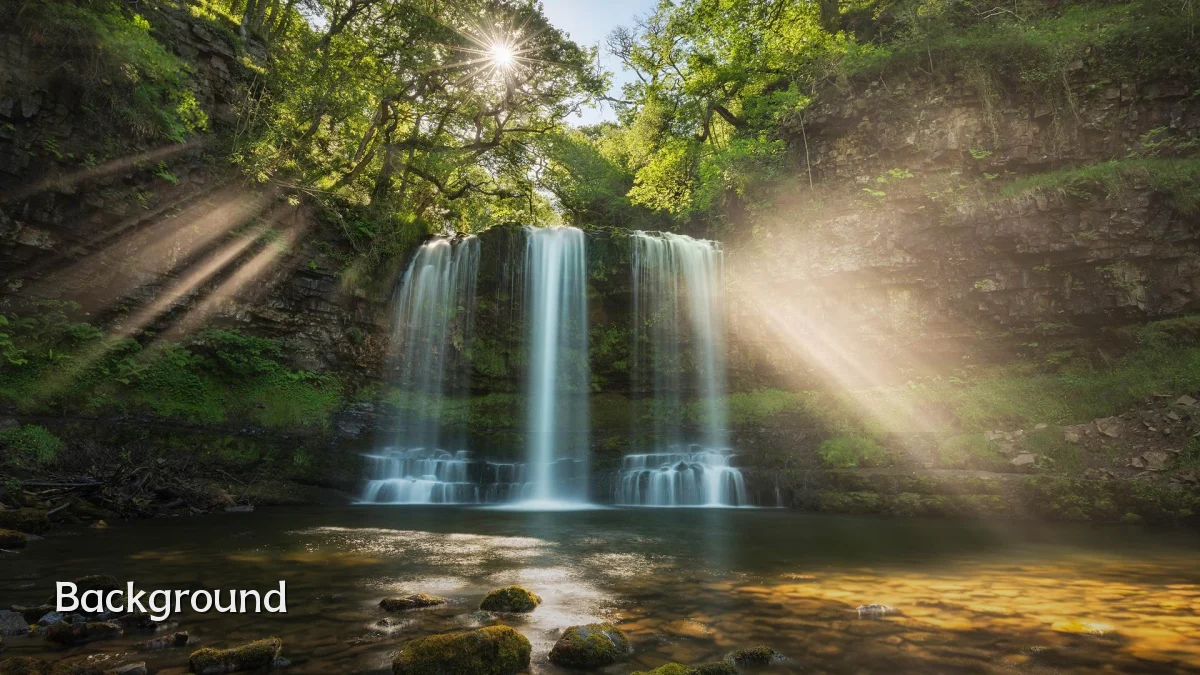
- Vaucluse’s economy is rooted in viticulture, lavender, truffles, and olive oil—sectors that demand patience and seasonal awareness.
- Many towns have strict zoning laws that limit high-rise development, maintaining low-density living.
- The region’s rail connections (Avignon TGV) and proximity to Marseille airport make it accessible without sacrificing remoteness.
User Concerns
Newcomers and long-term planners often voice similar worries when evaluating a move to Vaucluse. Housing affordability, especially in the most photogenic villages, has become a common challenge. Inventory of move-in-ready homes is limited, and renovation projects can face bureaucratic delays due to historic preservation rules. Internet connectivity—once a weak point—has improved significantly in larger towns, but some remote hamlets still rely on satellite or 4G-based services. Healthcare access is another consideration: specialists tend to cluster in Avignon and Cavaillon, meaning residents in the eastern Luberon may need to drive for certain appointments.
- Housing availability: Seasonal rental conversions reduce year-round stock; buyers should expect to compete or invest in renovation.
- Infrastructure: Public transport is sparse beyond main routes; a car is nearly essential.
- Cost of living: Local groceries and utilities are comparable to other French rural regions, but imported goods carry a premium.
- Seasonal pressure: Summer influx can strain water resources and road access in popular areas.
Likely Impact
If current migration patterns hold, Vaucluse may see a gradual transformation in its demographic makeup—more families with school-age children, more remote workers, and a greater share of residents under 50. This could revitalize local schools and services, but also put upward pressure on property values and rents. For farmers and artisans, a stable year-round customer base offers predictability. For the environment, increased demand for housing and water may require updated regional planning to preserve the very landscape that attracts people. The balance between welcoming newcomers and safeguarding rural character will be a central tension in the coming decade.
- Economic: A broader tax base and more local spending may help sustain public services and small businesses.
- Social: Greater diversity of backgrounds and professional experience can enrich community life, though integration takes effort.
- Environmental: Pressure on water supply in summer will likely prompt stricter irrigation rules and green building standards.
What to Watch Next
Several developments in the near future could shape Vaucluse’s quality-of-life equation. Regional transportation plans (including potential improvements to the line between Avignon and Sisteron) will affect how easily residents can commute or travel. Municipal zoning updates in villages like Ménerbes and Bonnieux will signal how aggressively they intend to limit new construction. Additionally, national policies around second-home taxation and short-term rental regulation (similar to those already active in Paris and Lyon) could shift the housing landscape. Those considering a move should monitor how local councils address water management and digital infrastructure investment in their annual budgets.
- Land-use debates in local mayoral elections (next cycle in 2026) will reveal priorities.
- Extension of fiber-optic coverage into the remaining “white zones” is expected within two to three years.
- The popularity of “slow tourism” initiatives (e.g., no-car itineraries, farm-stay programs) may offer a template for sustainable population growth.
- Climate adaptation strategies—such as drought-resistant landscaping incentives—will affect both newcomers and established residents.