Why Buyers Are Choosing Vaucluse for a Slower Pace of Life
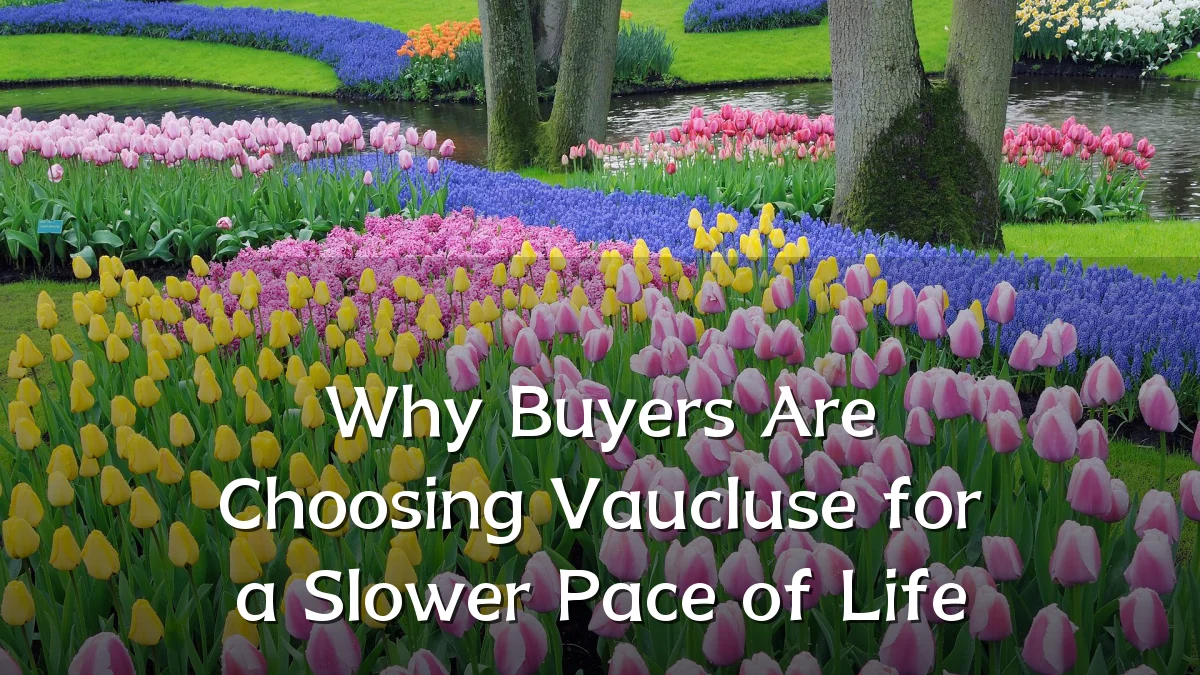
Vaucluse, the harbourside suburb in Sydney’s eastern suburbs, has seen a growing segment of buyers drawn not by flashy nightlife or dense commercial corridors, but by its quieter, more spacious environment. The shift toward remote and hybrid work, coupled with a broader reassessment of lifestyle priorities, has made this enclave an increasing focus for those seeking a calmer daily rhythm without leaving the city’s orbit.
Recent Trends in Buyer Activity
Over the past few years, real estate observors note a steady uptick in inquiries from families and professionals who previously favoured busier eastern suburbs such as Bondi or Paddington. The common thread: a desire for larger blocks, quieter streets, and a sense of escape from the 24‑hour pace. Agents report that properties with established gardens, harbour glimpses, or direct park frontage have attracted consistent interest, often from buyers already familiar with the eastern suburbs who are trading density for space.
- Increased demand from Sydney-based professionals working from home three or more days per week.
- Growing interest among downsizers who want room for outdoor living without the upkeep of a large estate.
- A shift toward properties that require renovation, as buyers look to customise rather than compete in premium turnkey segments.
Background: Vaucluse’s Appeal
Vaucluse has long been known for its leafy streets, deep waterfront lots, and a low-density residential character. Unlike some harbourside suburbs that have seen intensive apartment development, Vaucluse has maintained a predominantly detached-housing stock with generous setbacks. Its location—flanked by Sydney Harbour to the north and the bustling hubs of Rose Bay and Bondi Junction to the south—offers a balance of seclusion and reasonable access to retail, dining, and transport. The suburb’s established schools and yacht clubs add to its family‑friendly reputation, but the key draw remains the ability to enjoy a slower pace while still being within a 20‑minute drive of the CBD.
Common Buyer Concerns
While the appeal is clear, buyers weigh several practical considerations before committing to Vaucluse. The following points often arise during decision‑making:
- Commute and transport: Ferry services from Watsons Bay and Rose Bay offer a scenic alternative to driving, but frequency is limited. Road congestion during peak hours can add time to trips to the city or airport.
- Amenity density: Daily conveniences such as supermarkets, cafes, and medical services are concentrated in neighbouring suburbs, meaning most errands require a short drive or bus ride.
- Property condition and value: Many homes are older or architecturally unique, and renovation costs can be substantial. Buyers need to budget for potential structural work, especially near the waterfront.
- School catchment: While well-regarded public and private schools are nearby, catchment boundaries can be tight, and families often confirm options before purchasing.
Likely Impact on the Local Market
The continued preference for space and calm is expected to support steady demand in Vaucluse, particularly for homes that offer adaptable layouts suitable for work‑from‑home arrangements. However, the market is unlikely to experience dramatic price surges, given the suburb’s already high median values and relatively low turnover. Instead, a pattern of measured growth and longer holding periods is anticipated. Sellers may need to be patient, as buyers in this segment tend to be deliberate and finance‑savvy. The broader impact includes a gradual shift in the suburb’s demographic profile toward more telecommuting professionals and inter‑generational families seeking a stable, quiet environment.
What to Watch Next
Several factors could shape Vaucluse’s trajectory in the near term:
- Housing supply: A limited number of undeveloped sites means future listings will come primarily from inherited properties or downsizers. Any uptick in new construction could rebalance demand.
- Infrastructure changes: Upgrades to the Eastern Suburbs railway extension or ferry services (if any are confirmed) would improve commute times and could broaden the buyer pool.
- Interest rate environment: As borrowing costs remain variable, buyers may adjust their budgets, favouring well‑priced properties that need cosmetic updates over premium ready‑to‑move‑in homes.
- Lifestyle trends: If high‑density living regains popularity among young professionals, demand for Vaucluse may plateau. Conversely, a lasting preference for suburban tranquillity will reinforce its position as a slower‑pace haven.
Buyers considering Vaucluse are advised to assess their personal commuting thresholds, investigate school options carefully, and factor in renovation lead times. The suburb’s slower pace comes with trade‑offs, but for those seeking space and calm close to the harbour, the equation remains compelling.