Discover the Charm of a Trusted Hilltop Village: A Perfect Weekend Getaway
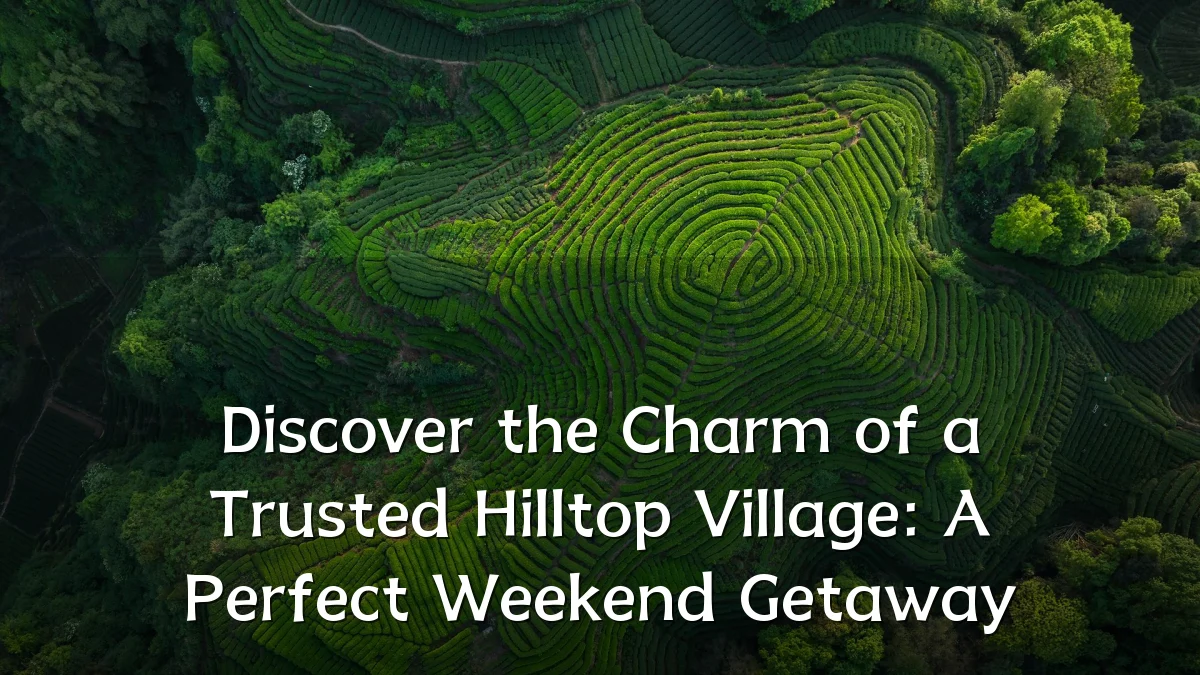
Hilltop villages have long drawn travelers seeking quiet retreats, panoramic views, and a slower pace. In recent years, a particular type of destination has begun to stand out: the “trusted hilltop village” – a place where authentic charm is matched by reliable, visitor-friendly practices. This analysis looks at the trends shaping these getaways, the background of trust in rural tourism, common traveler concerns, likely impacts on host communities, and what to watch for in the near future.
Recent Trends in Hilltop Village Getaways
The shift from mass tourism to more intentional travel has accelerated. Many weekend travelers now prioritize destinations that offer both an immersive experience and a sense of security. Key trends include:

- Slow travel adoption: Visitors seek multi-day stays that allow deeper connection with local culture and nature, rather than rushed sightseeing.
- Demand for authenticity: Travelers increasingly avoid overly commercialized spots, preferring villages where daily life, crafts, and cuisine feel genuine.
- Preference for uncrowded destinations: Hilltop villages, often off the main tourist routes, appeal to those wanting space and tranquility.
- Sustainability concerns: Eco-conscious travelers look for villages that manage waste, use local resources responsibly, and limit visitor numbers.
Background: What Makes a Hilltop Village “Trusted”?
Trust in this context has grown beyond simple reputation. It is built on tangible practices that reassure visitors before and during their stay. Common factors behind trusted status include:

- Transparent booking and pricing: Clear cancellation policies, detailed descriptions, and direct booking options reduce uncertainty.
- Community involvement: Villages where residents are directly engaged in hospitality – managing guesthouses, leading walks, or offering meals – tend to earn higher trust.
- Preserved heritage: Stewardship of historical architecture, traditional crafts, and local festivals signals long-term commitment to authenticity.
- Safety and accessibility: Reliable signage, well-maintained trails, and emergency contact points give visitors confidence, especially those unfamiliar with rural terrain.
Common User Concerns When Choosing a Hilltop Village
Even with a trusted reputation, potential visitors weigh several practical factors. Awareness of these helps travelers make informed decisions:
- Accessibility: Narrow roads, limited parking, and steep paths can be challenging. Many guests check for shuttle services or parking facilities outside the village center.
- Amenities: A trusted village balances rustic charm with modern essentials – reliable Wi-Fi, clean restrooms, and year-round dining options are frequently cited.
- Weather and seasonality: Hilltop locations can be subject to sudden fog, rain, or cold evenings. Travelers often look for accommodation that offers indoor comfort and flexible cancellation for weather disruptions.
- Cost vs. value: Weekend prices in popular hilltop villages may be higher than nearby towns. Trusted villages communicate what is included – guided walks, local produce breakfasts, or cultural demonstrations – to justify the premium.
- Authenticity vs. performance: Some visitors worry that local traditions are staged. Trusted villages often allow spontaneous interaction, such as joining a community dinner or observing a craft workshop without a ticket.
Likely Impact on Local Communities and Tourism
The rise of the trusted hilltop village concept carries both opportunities and risks for residents and the broader tourism ecosystem:
- Positive economic effects: Increased visitor spending can support local artisans, farmers, and service providers. Seasonal income may help reverse rural depopulation in some areas.
- Pressure on infrastructure: Water supply, waste treatment, and road maintenance can become strained, especially during peak weekends. Villages that proactively manage visitor caps or stagger check-in times tend to fare better.
- Cultural preservation: When tourism is community-led, traditional practices often gain renewed value. However, over-reliance on tourism can also lead to the commodification of daily life.
- Regional spillover: A trusted hilltop village can raise the profile of an entire region, diverting some visitors to neighboring towns and reducing concentration.
What to Watch Next
As traveler expectations evolve, several developments could shape the future of trusted hilltop village getaways:
- Certification programs: Regional tourism boards may introduce formal “trusted” labels based on criteria like environmental management, fair wages, and transparency. Early pilots are emerging in several European and Asian mountain regions.
- Technology for access: Real-time occupancy tracking, mobile guides, and contactless check-in may become standard, making stays smoother while preserving the quiet character of the village.
- Climate adaptation planning: Hilltop villages susceptible to wildfire or drought will need to invest in resilience measures, and travelers will increasingly factor climate risk into their choice.
- Community-led governance: The most trusted villages are likely to be those where residents hold a direct stake in tourism decisions – watch for models like cooperative ownership or village tourism committees.
For now, a weekend in a trusted hilltop village offers a compelling mix of relaxation, cultural depth, and peace of mind. By staying informed about trends and local conditions, travelers can continue to support destinations that uphold the values they seek.