Why a Specialist Hilltop Village is the Ultimate Destination for Olive Oil Lovers
Recent Trends in Olive Oil Tourism
Travelers increasingly seek immersive, place-based experiences that connect them directly to food origins. Olive oil tourism has expanded beyond tasting rooms into full-day estate visits and multi-night stays in producing regions. Specialist hilltop villages—often with a single, focused olive culture—are emerging as sought-after destinations, where the entire landscape, architecture, and cuisine revolve around olive oil.
- Growth in experiential agritourism: visitors want to harvest, press, and blend their own oil.
- Rise of “oil sommelier” programs and structured tasting courses.
- Demand for traceability and single-varietal oils from defined microclimates.
- Increasing preference for off-the-beaten-path villages over larger, commercialized regions.
The Background of Specialist Hilltop Villages
Many specialist hilltop villages are located in traditional olive-growing zones of the Mediterranean, often at altitudes where the diurnal temperature range concentrates flavor in the fruit. These settlements typically feature ancient terraced groves, small family-run mills, and a cooperative structure that preserves centuries-old techniques. The village identity is tightly woven with its olives—sometimes a single cultivar dominates, such as a local heirloom variety not found elsewhere. Residents and producers often share knowledge across generations, maintaining a low-intervention approach that appeals to purists.
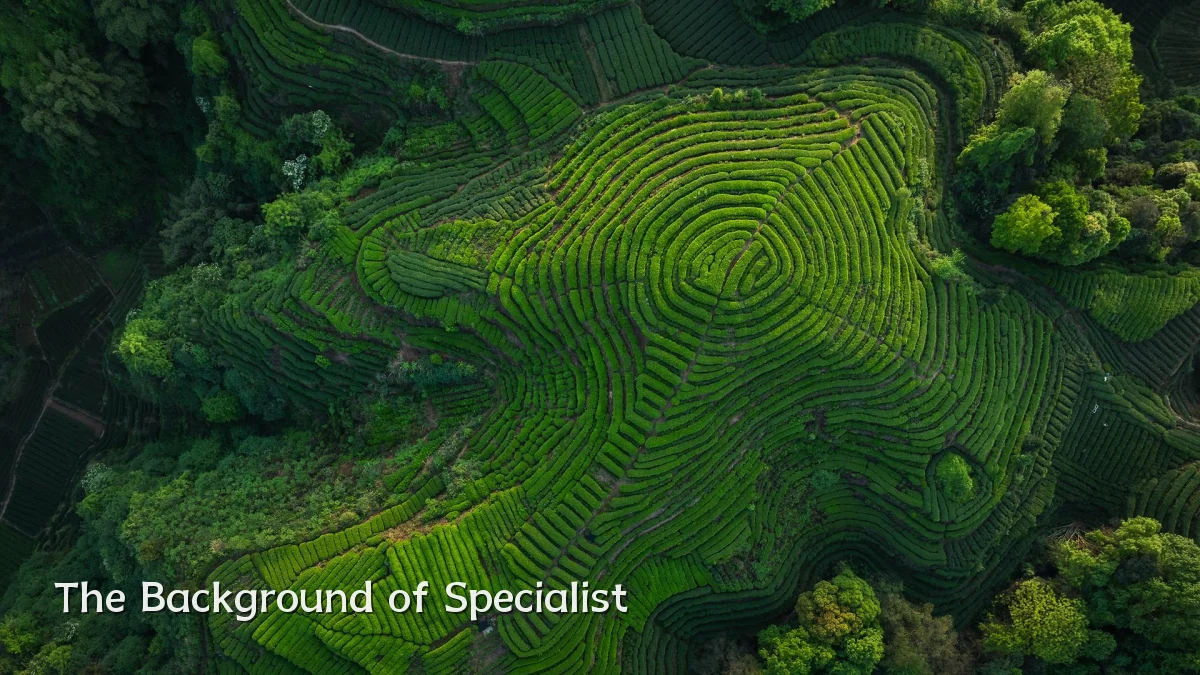
Unlike large-scale producers, these villages offer access to micro-lots and limited-edition harvests. The physical setting—stone houses, narrow lanes, panoramic views—adds an atmospheric layer to the tasting experience.
What Olive Oil Lovers Care About Most
- Quality and provenance: Ability to visit the exact grove where oil was pressed, meet the grower, and see the extraction process.
- Authentic tasting experiences: Comparative flights of oils from different altitudes, soil types, or harvest dates.
- Transparency: Clear information on pesticide use, irrigation methods, and harvest timing.
- Preservation of heritage: Interest in ancient trees, traditional stone mills, and heirloom varieties that are not commercially dominant.
- Sustainable practices: Preference for dry-farmed groves, regenerative soil management, and minimal packaging.
Likely Impact on Local Economy and Agriculture
Increased visitor interest can provide stable supplementary income for small family farms, allowing them to maintain groves that might otherwise be abandoned. Village cooperatives may invest in modern filtration and bottling equipment while retaining traditional methods. However, heightened tourism also places pressure on limited infrastructure—narrow roads, water supply during dry months, and the availability of seasonal labor. A careful balance is needed to prevent the village from evolving into a theme park for oil enthusiasts, which could dilute its authenticity and increase land prices for local residents.
Agronomists note that if visitor numbers grow quickly, some producers may shift toward volume rather than quality, shortening fermentation times or using younger trees. On the positive side, the premium that visitors pay for specialty oils can incentivize farmers to adhere to stricter organic or biodynamic standards.
What to Watch Next
- Adoption of formal origin certifications that protect village-specific oil names (similar to DOC/DOP systems).
- Investment in small-scale visitor accommodations—converted farmhouses, olive mill bed-and-breakfasts—rather than large hotels.
- Climate adaptation measures: how villages with older trees respond to changing rainfall and temperature patterns, and whether that alters oil profiles.
- Digital traceability tools (e.g., QR codes linking to harvest date, press date, and lab analysis) that allow visitors to verify claims post-trip.
- Formation of networks or alliances among hilltop villages to promote joint itineraries and share best practices for sustainable tourism.