The Hidden Hilltop Village That Inspired a Generation of Writers
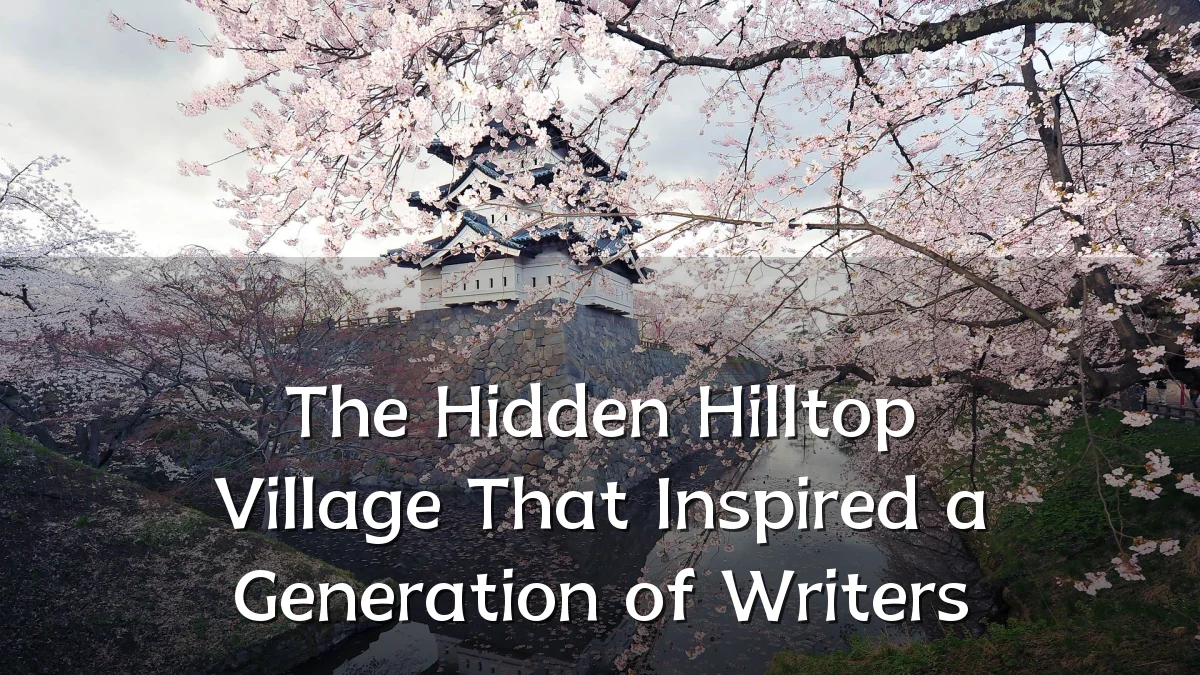
In recent months, a small hilltop village known for its winding stone streets and panoramic views has re-emerged in literary discussions as a quiet catalyst for creative work. Once home to several mid‑century novelists and poets, the settlement now draws a new wave of visitors interested in the places that shaped influential texts. This analysis examines the forces behind that resurgence and what it means for readers, preservationists, and the village itself.
Recent Trends
- Rise of literary tourism – Travelers increasingly seek destinations tied to authors and their works, favoring authentic, less‑commercialized locations over crowded landmarks.
- Remote‑work migration – The pandemic accelerated interest in rural living, with some writers and remote professionals relocating to hilltop communities for quiet and inspiration.
- Social media rediscovery – Short‑form video clips featuring the village’s narrow lanes and sunset vistas have sparked curiosity, often linking it to quotes from novels written there.
- Publisher collaborations – Several independent presses have begun offering “writing retreats” in the area, capitalizing on its literary aura without overcommercializing the setting.
Background
The village’s reputation began to take shape during the early‑to‑mid 20th century, when a small cohort of writers settled temporarily in its stone houses. They shared a preference for isolation, minimal distractions, and a landscape that shifted with the seasons. While no single famous novel is definitively set there, the atmosphere appears in memoirs, letters, and poems from the period. Local archives mention regular gatherings at a now‑shuttered café where drafts were exchanged. Over decades, the village faded from literary maps until a recent anthology of regional writers revived interest.
User Concerns
- Gentrification and affordability – Long‑time residents worry that rising tourist numbers will push property prices beyond local incomes, altering the organic character that attracted writers originally.
- Oversaturation of “inspiration” – Some readers express concern that too‑frequent visits or curated tours diminish the sense of discovery that made the village feel hidden.
- Fragile infrastructure – The hilltop’s narrow roads and limited water supply struggle to support increased foot traffic, sparking debates over parking restrictions and visitor caps.
- Inaccurate myth‑making – Guides and social media posts sometimes overstate the roles of past residents, leading to disappointment when the village does not match inflated expectations.
Likely Impact
- Preservation vs. development – Local councils are likely to implement phased visitor guidelines, such as timed entry or designated quiet zones, balancing cultural heritage with economic benefit.
- Growth of niche retreats – More writer‑focused residential programs could emerge, offering structured time for reading and drafting while funneling revenue into conservation.
- Expansion of digital archives – Libraries and universities may digitize personal papers from former village residents, providing remote access for readers unable to travel.
- Shifts in literary tourism models – Other hidden villages with comparable histories may adopt similar strategies, using their own writerly connections to attract thoughtful visitors rather than mass tourism.
What to Watch Next
Observers should monitor decisions by the municipality regarding zoning for short‑term rentals, as this will signal whether the village prioritizes resident stability or tourist convenience. Additionally, the release of a planned documentary from a regional cultural foundation may clarify which writers actually lived there full‑time versus those who only visited briefly. Finally, the success of a proposed annual literary festival—small in scale, with no celebrity headliners—could become a model for how such villages sustain their appeal without losing the elusive quiet that first inspired a generation of writers.