Mistakes Beginner Travel Photographers Make (And How to Fix Them)
Recent Trends in Travel Photography
Smartphone cameras now rival dedicated gear in convenience, fueling a surge in casual travel photography. Social media platforms reward striking, polished images, pushing beginners toward heavy filters and cliché compositions. At the same time, lightweight mirrorless systems and affordable drones make it tempting to buy first and learn later. These trends amplify common beginner pitfalls — but awareness and small adjustments can change outcomes.

Background: Common Missteps
Many newcomers assume expensive equipment guarantees great photos. They neglect composition basics, ignore local light cycles, and prioritize gear lists over storytelling. Over-editing — crushing shadows or oversaturating skies — is widespread. Another frequent issue is shooting only famous landmarks from standard angles, which yields generic results. Beginners also tend to rush through locations, missing small details that give a place character.
User Concerns: Practical Fixes
- Overpacking gear – Carrying multiple bodies and lenses slows you down and draws unwanted attention. Fix: limit to one versatile zoom or a prime lens plus smartphone backup.
- Shooting only landmarks – Postcard views rarely capture a destination’s atmosphere. Fix: spend extra time in markets, side streets, or at local events for authentic frames.
- Ignoring golden hour – Harsh midday light washes out colors and creates unflattering shadows. Fix: plan shoots during the first and last hour of daylight; use midday for scouting or rest.
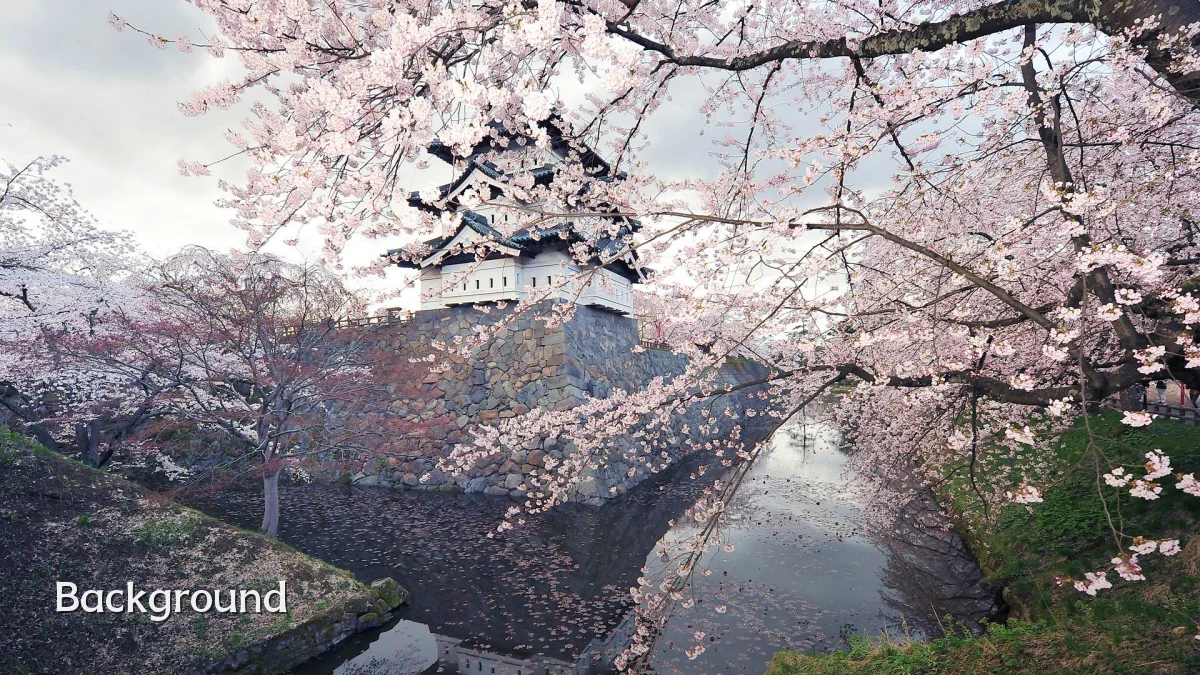
- Neglecting foreground – Empty foregrounds make landscapes feel flat. Fix: include a leading element like a rock, flower, or person to add depth.
- Over-relying on auto mode – The camera decides exposure, often missing your intent. Fix: learn aperture priority or manual for control over depth of field and motion blur.
- Editing without restraint – Boosting saturation or clarity to extremes looks unnatural. Fix: edit in small increments, compare to the original, and aim for what your eye actually saw.
Likely Impact on Image Quality and Experience
Correcting these mistakes directly improves technical quality — sharper focus, better exposure, more natural color. More importantly, it transforms the traveler’s experience. Slowing down to compose, observing light, and engaging with locals produce richer memories and more diverse portfolios. Photos become personal documents rather than replicas of every other tourist’s feed. Over time, beginners who fix these habits develop a signature style and greater confidence.
What to Watch Next
Minimalist travel photography is gaining traction — a single prime lens, no tripod, and an emphasis on storytelling over gear. Ethical photography concerns, such as consent when photographing people and respecting sacred sites, are becoming mainstream. AI-based editing tools can now remove distractions or alter skies, sparking debate about authenticity. Beginners should watch for mobile editing apps that offer RAW-like control, and the gradual shift toward returning to “real” images in travel media. Learning to see before you shoot will always matter more than the latest gadget.