Mastering Natural Light for Travel Portraits: Tips for Enthusiasts

Recent Trends in Travel Portrait Photography
Over the past few seasons, enthusiast photographers have increasingly turned away from elaborate artificial lighting rigs toward pure natural light. The shift is partly driven by the growing popularity of lightweight, mirrorless systems and a broader cultural appetite for candid, location-driven storytelling. Many community-led workshops now focus exclusively on reading daylight, and social-media feeds favour portraits that feel spontaneous rather than studio-polished.
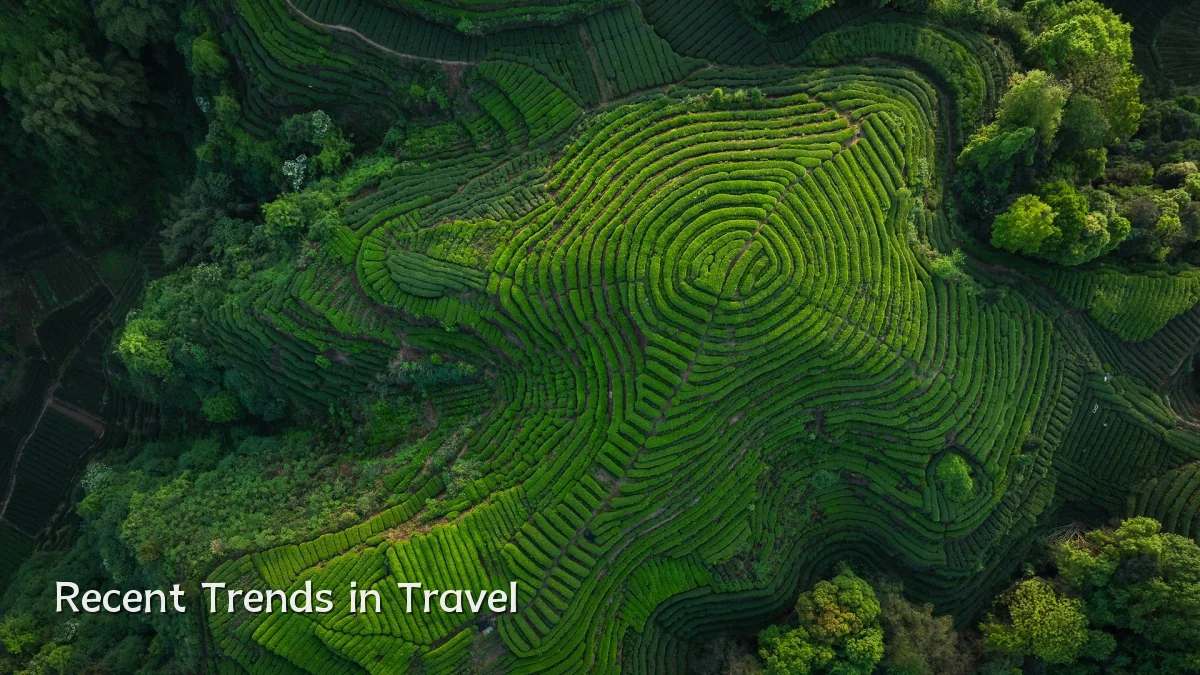
- Golden-hour prevalence: The bulk of published travel portraits now cluster around early-morning and late-afternoon shoots.
- Minimal gear, maximal observation: Travelers are experimenting with a single prime lens to force creative use of existing light.
- Authentic local context: Subjects are often captured in native environments using window light, open shade, or reflected ambient sources.
Background of Natural Light Techniques
Natural light has been the backbone of travel portraiture since the medium’s inception. Film-era photographers relied on understanding sun angle and cloud cover because exposure latitude was narrow. The transition to digital – and later to mirrorless bodies with high dynamic range – gave enthusiasts more flexibility, but the core challenge remained: how to shape and time available light for flattering results.
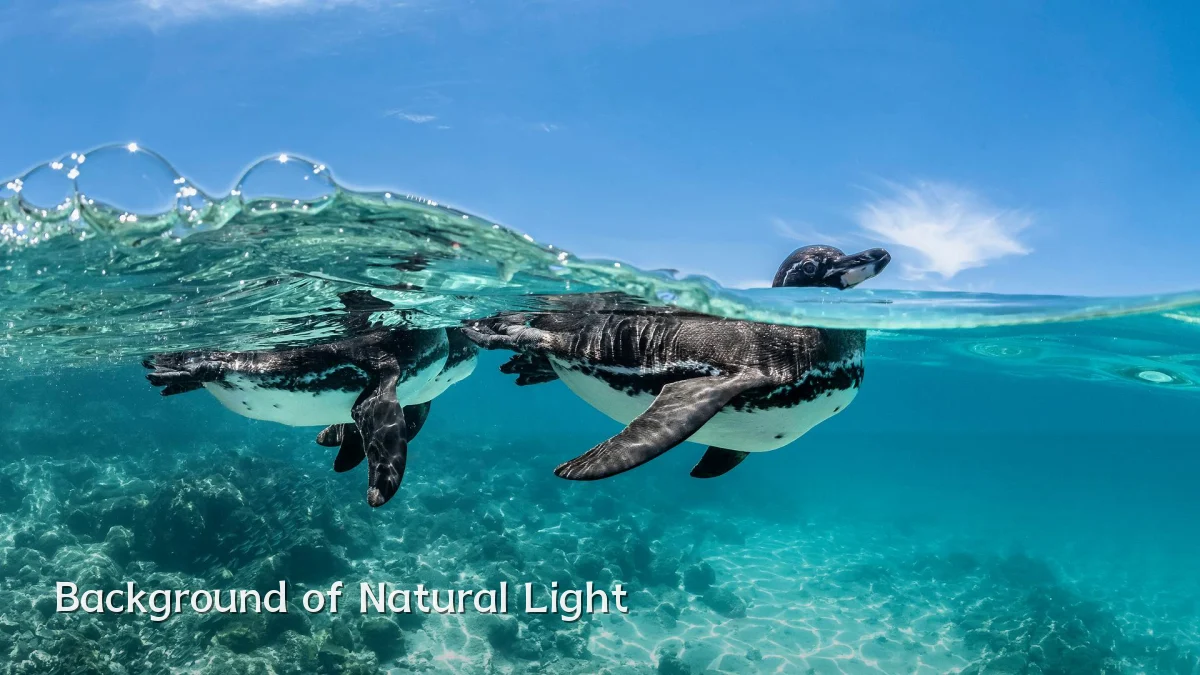
Modern teaching often returns to three fundamental sources – direct sun, open shade, and diffused window light – and stresses the ability to recognise each within minutes of arriving at a location. This background informs almost every decision from lens choice to posing direction.
Common User Concerns
Enthusiasts frequently encounter predictable obstacles when trying to apply natural-light principles during travel. The most common issues are listed below.
- Uncontrollable midday sun: Harsh overhead light creates deep eye sockets and unflattering shadows under the nose and chin.
- Weather unpredictability: Overcast skies can flatten depth, while rapidly moving clouds cause exposure shifts between frames.
- Reflective surfaces in urban environments: White walls, glass, and water introduce colour casts that require quick white-balance adjustments.
- Limited time at any single location: Enthusiasts often cannot wait for the ideal light angle and must adapt with reflectors or repositioning.
Likely Impact on Enthusiasts’ Workflow
Developing fluency with natural light is expected to reduce reliance on post-processing and auxiliary gear. Photographers who learn to anticipate how light wraps around a face or how to use a doorway as a softbox typically report a higher keeper rate and faster editing turnaround. The impact is most noticeable in consistency across a travel series: portraits shot on different days at different sites can retain a cohesive atmosphere when the photographer uses the same intentional approach to light placement.
Practical knock-on effects include lighter carry-on bags (fewer strobes, modifiers, and batteries) and faster response times during spontaneous moments. Enthusiasts who travel solo especially value the simplicity of operating without a gaffer or assistant.
What to Watch Next
The evolution of natural-light travel portraiture will likely be shaped by a few emerging developments. Pay attention to these areas over the next few shooting seasons.
- AI-assisted exposure metering: New in-camera algorithms can now identify face geometry and suggest exposure compensation in real time, reducing guesswork.
- Weather-integrated planning apps: Tools that combine sun-position maps with cloud-cover forecasts may become the standard pre-shoot check.
- Portable negative-fill and diffusion: Compact, collapsible modifiers designed specifically for travel bags are appearing from smaller manufacturers.
- Community light-studies: Online groups that share geotagged light diaries – noting time, date, and quality of light – are growing and provide field-tested reference points.