Mastering Natural Light: Essential Travel Photography Tips for Stunning Sunrises and Sunsets
Recent Trends in Sunrise and Sunset Photography
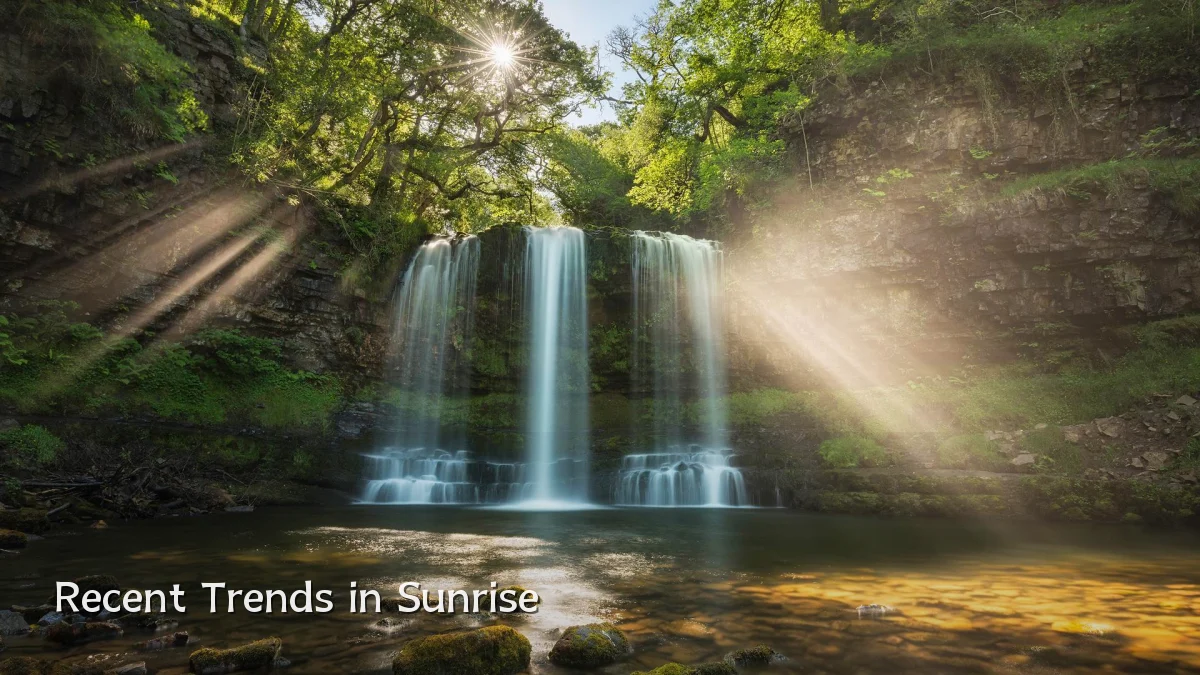
Social media feeds and travel blogs increasingly feature dramatic golden-hour captures, pushing photographers to refine their approach to natural light. Smartphone computational photography now offers real-time exposure previews and manual controls, while mirrorless cameras with improved dynamic range allow for more detail in high-contrast scenes. A noticeable shift is the use of weather apps and sun position calculators to plan shoots days in advance, rather than relying on guesswork. Drones have also entered this niche, offering elevated angles that capture expansive horizon gradients and foreground shadows.
Background: Why Natural Light Matters During Golden Hour
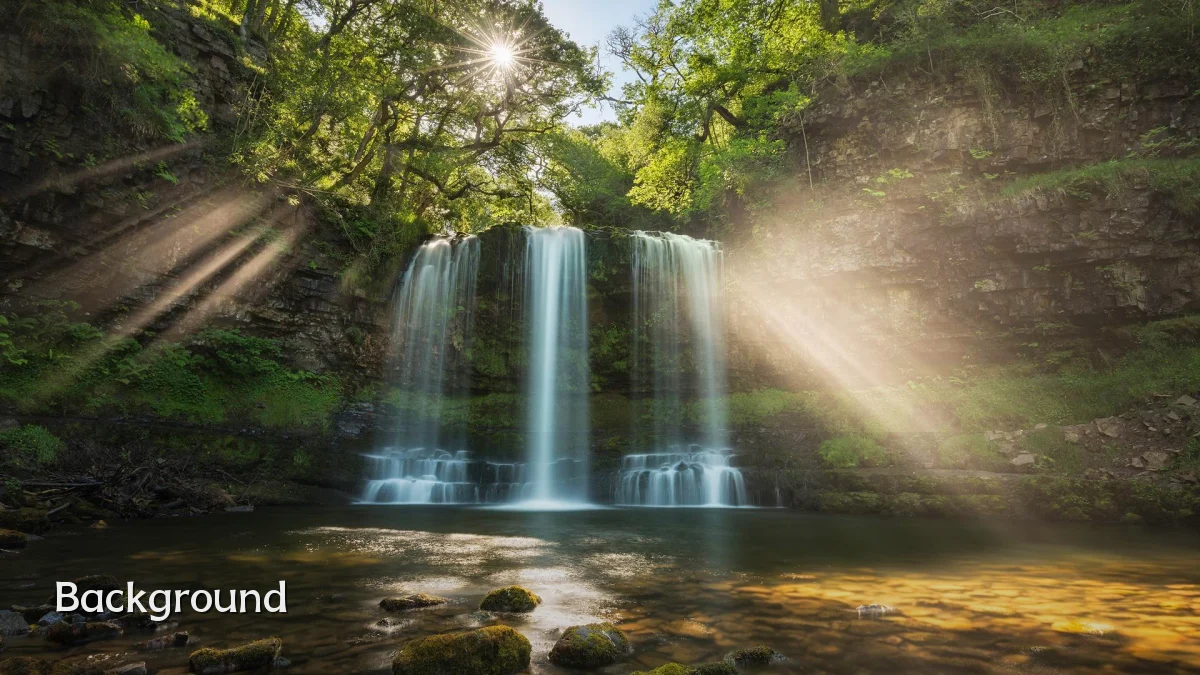
The sun’s low angle at sunrise and sunset produces warm, directional light that travels through more atmosphere, scattering shorter blue wavelengths and leaving longer reds, oranges, and yellows. This softens harsh shadows and adds depth to landscapes, architecture, and portraits. The “blue hour” immediately before sunrise and after sunset provides cool, even illumination for silhouettes and reflections. Historically, landscape photographers have considered these the most forgiving windows for capturing rich color without needing artificial fill flash or bracketing. The challenge lies in rapidly changing conditions—cloud cover, haze, and atmospheric dust can transform a scene within minutes.
User Concerns and Practical Hurdles
Many travelers struggle with three common issues: overexposed skies, underexposed foregrounds, and missed opportunities due to poor timing. Specific concerns include:
- Exposure reciprocity: Balancing bright sky and dark land without blowing out highlights or losing shadow detail.
- White balance jitters: Cameras often default to “auto” and neutralize the warm hues that make sunrise/sunset photos appealing.
- Location access: Reaching a good vantage point in the dark before sunrise, or dealing with crowds at famous sunset spots.
- Gear limitations: Kit lenses with slow apertures may struggle in dim light, while tripods are often left behind to save luggage weight.
- Unpredictable weather: Cloud cover can either enhance or completely block the color show; knowing whether to stay or retreat is a constant dilemma.
Likely Impact on Travel Photography Habits
As more travelers adopt these tips, we may see a broader appreciation for planning over spontaneity. Photographers who invest in neutral-density (ND) filters and graduated ND filters will have an edge in retaining detail across the frame. Post-processing trends may shift toward preserving natural color temperatures rather than applying heavy vignettes or saturation sliders. Additionally, the rise of dedicated “photo walks” at sunrise and sunset suggests that tour operators will increasingly offer guided sessions that combine technique with local knowledge. The economic impact includes growing demand for compact tripods, remote shutter releases, and lens cloths—all small items that solve specific golden-hour problems.
What to Watch Next
Look for innovations in in-camera HDR merging and AI-assisted exposure stacking that simplify the workflow for beginners. Also keep an eye on weather radar integration within camera apps, allowing photographers to predict clear horizon lines or dramatic cloud formations. Another trend is the rise of “sunset meetups” where local photographers share lesser-known spots to avoid overcrowding. Finally, watch for smartphone manufacturers to emphasize low-light tripod modes that extend exposure times without noise, making these tips more accessible to users who do not carry dedicated camera gear.